
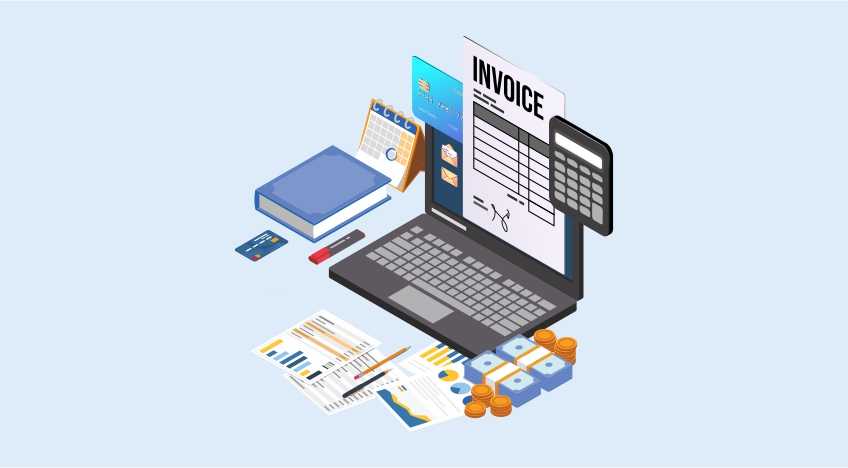
A guide to transitioning from paper to digital billing
Managing billing is one of the most time-consuming parts of running a clinic. Paper invoices, manual reconciliations, and chasing payments not only drain staff hours but also create room for errors and delays. Digital billing offers clinics a practical way to simplify the process, improve accuracy, and get paid faster. If you’re considering making the switch, here’s what you need to know.
Why Move to Digital Billing?
Switching to digital billing isn’t just about keeping up with trends. It brings clear, measurable benefits:
- Better Accuracy:
Automated systems reduce mistakes caused by manual entry. Charges are calculated consistently, and patient accounts stay up to date.
- Time Savings:
Staff spend less time sorting paperwork, printing invoices, and recording payments.
- Faster Payments:
Digital invoices can be sent instantly via email or SMS, and patients often prefer online payment options.
- Easier Reporting:
With digital records, it’s simple to generate financial reports, track outstanding balances, and analyze revenue patterns.
- Better Experience for Patients:
Clear, professional invoices and flexible payment options create a smoother experience for patients.
Steps to Transition from Paper to Digital Billing
- Review Your Current Billing Process
Map out how billing is handled today. Identify bottlenecks, common errors, and tasks that take the most time.
- Choose the Right Software
Look for a system built for healthcare billing. It should support invoices, receipts, payment tracking, and financial reports. Make sure it’s secure and compliant with data protection regulations.
- Digitize Patient Records
If you haven’t already, start moving patient information into an electronic system. Having accurate digital records makes billing much simpler.
- Train Your Staff
Even the best software needs the right training. Walk your team through the new workflows, and give them time to practice before going live.
- Communicate with Patients
Let patients know you’re moving to digital billing. Explain how they’ll receive invoices and what payment methods are available.
- Start Gradually
You don’t have to switch everything at once. Consider running paper and digital billing in parallel for a short period to ensure everything works smoothly.
Common Questions About Digital Billing
Is digital billing secure?
Yes. Secure servers and encryption are used by reputable billing systems to safeguard patient information. Verify the system’s compliance with local privacy regulations at all times.
Will older patients struggle with digital invoices?
Some may prefer paper. Most systems allow you to offer both options during the transition.
What if the internet goes down?
Good billing software has offline capabilities or saves work locally until you reconnect.
In Summary
Clinics can improve cash flow, save time, and lessen stress by using digital billing. The long-term advantages outweigh the planning required for the transition.
Try Afyabook Pro if you’re prepared to update your clinic’s billing system and manage appointments, inventory, and records in one secure system. It’s a Health Information Management System made for clinics like yours that combines digital billing with many other useful tools to keep your practice operating efficiently.
Learn more about Afyabook Pro and how it can help your clinic here