
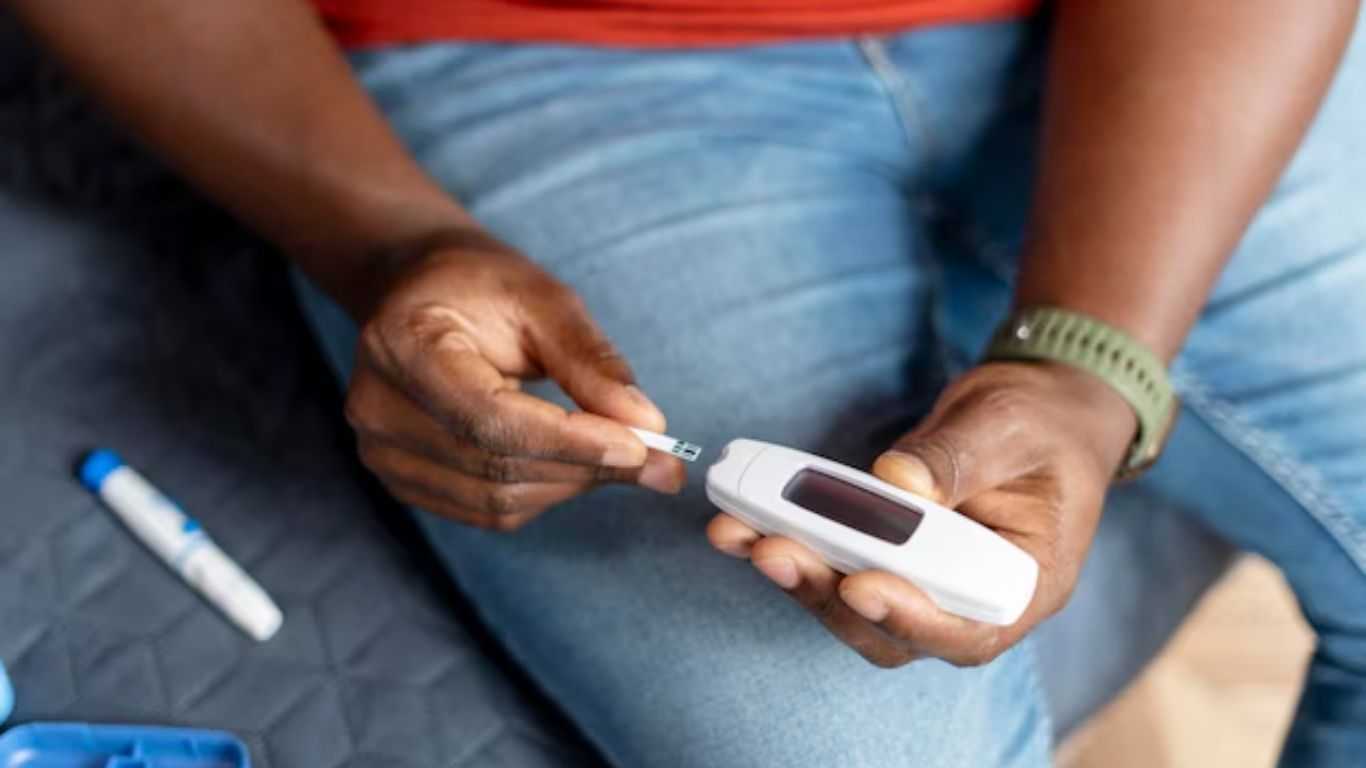
Diabetes is one of the most prevalent chronic illnesses in the world but did you know that there are various kinds? You can identify risks, receive the appropriate diagnosis, and improve your health management by being aware of the differences.
What is Diabetes?
Diabetes is a condition that affects how your body turns food into energy. When you eat, your body breaks food down into sugar (glucose) and releases it into your bloodstream. If you have diabetes, your body either doesn’t make enough insulin or can’t use it properly, causing high blood sugar levels.
The Main Types of Diabetes
Type 1 Diabetes
Type 1 diabetes is an autoimmune condition. It happens when the body’s immune system mistakenly attacks the insulin-producing cells in the pancreas. It’s usually diagnosed in children, teens, or young adults, and requires daily insulin injections.
Common Symptoms for diabetes type 1
Type 1 diabetes often develops suddenly, usually in children, teens, or young adults, so it’s important to know what to watch for.
- Increased thirst and frequent urination
Extreme thirst is caused by high blood sugar, which draws fluid from tissues. You might drink and urinate more than normal as a result.
Type 2 Diabetes
The most common type of diabetes is type 2. Although it typically manifests in adults, younger people are increasingly experiencing it. This kind occurs when the body either produces insufficient insulin or becomes resistant to it. The risk is increased by lifestyle factors such as obesity, poor diet, and inactivity, but these can frequently be avoided or controlled with good habits.
Common Symptoms for diabetes type 2
Since type 2 diabetes frequently develops gradually, many people do not immediately notice symptoms. People can occasionally have it for years without realizing it.
Here are some signs to watch out for:
- Increased thirst and frequent urination. Similar to Type 1, high blood sugar can make you feel extremely thirsty and increase the frequency of your urination.
- Increased hunger. Even after eating, you might still feel hungry because your body may not be able to use insulin correctly.
- Fatigue. Excessive blood sugar can impair your body’s capacity to use glucose as fuel, which can result in unusually high levels of fatigue.
- Vision impairment. Consuming too much sugar can cause fluid to be drawn out of your eye’s lenses.
- Darkened skin patches. Some people develop dark, velvety patches of skin, usually around the neck or armpits.
- Hand or foot tingling, pain, or numbness. Prolonged elevated blood sugar can harm nerves.
Ways in which diabetes Type 1 and Type 2 differ.
The causes, risk factors, and available treatments vary depending on the type of diabetes. Type 2 diabetes, for instance, is frequently controlled with diet, exercise, and occasionally medication, whereas type 1 requires insulin therapy.
Managing and Preventing Diabetes
While type 1 can’t be prevented, type 2 often can. Eating a balanced diet, staying active, maintaining a healthy weight, and getting regular checkups are key steps to reduce your risk.
With AfyaBook, managing your diabetes is simpler and more convenient than ever.
You can easily check and track your blood sugar levels https://www.afyabook.com/userprofile/, keep your records in one place, and even consult a specialist https://www.afyabook.com/doctors/ whenever you need support all from your phone.
Stay informed, stay proactive, and take charge of your health with AfyaBook.